Introduction: Why Your Money Seems to Vanish
Have you ever reached the end of the month, checked your bank account, and wondered where it all went? You earn a decent paycheck, you pay your bills, and yet, your savings account remains stubbornly stagnant. It is a common experience, almost like trying to hold water in your cupped hands. You think you have a grip on your finances, but the liquidity just slips through your fingers. Tracking your spending is not about living a life of deprivation or counting every grain of rice. Instead, it is about gaining clarity and power over the choices you make every single day. When you know where your money goes, you stop being a victim of your own habits and start becoming the architect of your financial future.
The Psychology of Spending: Why We Buy Things We Do Not Need
We are not purely logical creatures when it comes to money. We are driven by emotions, social pressures, and clever marketing campaigns designed to trigger our impulsive sides. Think of your brain like a toddler in a candy store. The rational part of you knows you should save, but the emotional part wants that immediate dopamine hit from a new gadget or a takeout dinner. We often use spending as a coping mechanism for stress, boredom, or even fatigue. Recognizing that your spending is tied to your emotional state is the first step toward breaking the cycle. Once you realize you are not buying a product, but rather a temporary feeling of comfort, you can stop the transaction before it happens.
Step One: Tracking Every Single Penny
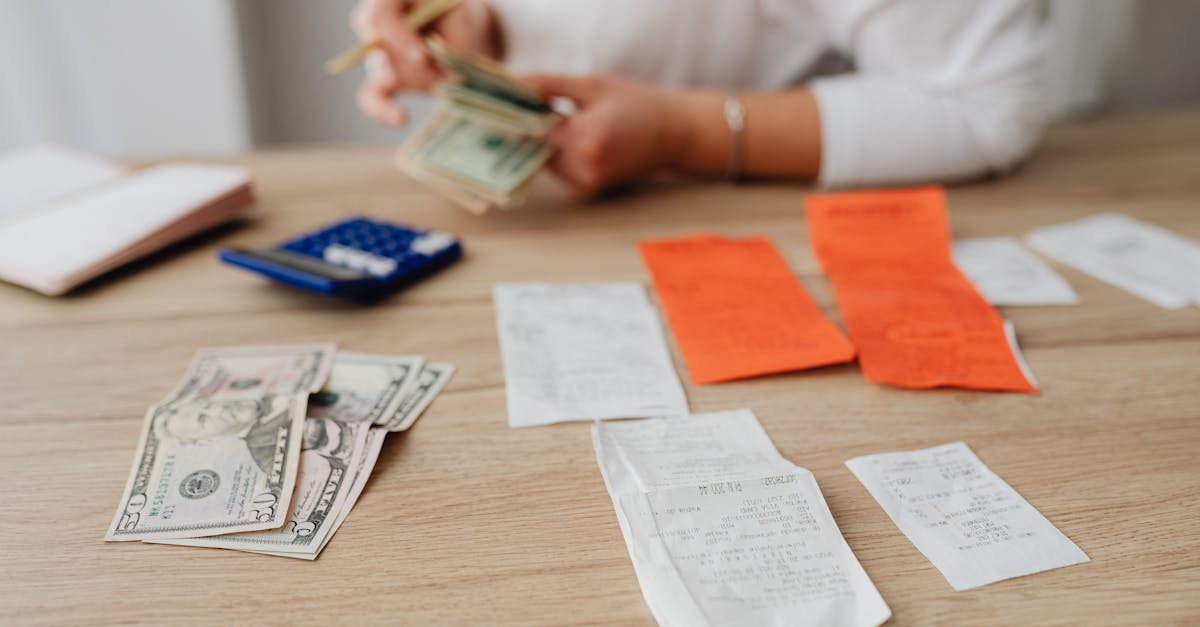
Tracking feels tedious, I know. It sounds like a chore that sucks the fun out of life. But consider this: you would not drive a car across the country without looking at the gas gauge, right? Tracking is your financial dashboard. For at least thirty days, you need to record everything. Do not just focus on the big items like rent or car payments. Focus on the coffee, the parking fees, the random snacks, and the apps you forgot you subscribed to. This is where the truth lives. If you do not measure it, you cannot manage it.
Choosing Your Weapon: Apps Versus Notebooks
You have two main paths here. You can go digital or you can go analog. Digital tools like budgeting apps automatically pull transactions from your bank, which saves time and reduces the risk of human error. They provide beautiful charts and graphs that make it easy to see your spending patterns at a glance. On the other hand, the physical act of writing down your expenses in a notebook forces you to face your spending with more intention. It creates a mental pause that a mobile app just cannot replicate. Choose the method that you will actually stick with. Consistency beats complexity every time.
How to Categorize Your Expenses Effectively
Once you start tracking, you need to organize your expenses. Without categories, you are just looking at a long list of numbers. You need to bucket these items to understand your financial landscape.
Fixed Needs: The Essentials of Life
These are the expenses that keep the lights on and your belly full. Think rent or mortgage, utilities, basic groceries, and insurance. These are generally static. If these take up too much of your income, it might be time to downsize your lifestyle or find ways to reduce your living costs. They should be your foundation, not your focus.
Variable Wants: The Silent Budget Killers
This is where the real battle is won or lost. Dining out, streaming services, hobbies, and shopping for things you do not really need fall into this category. These expenses are flexible. When people say they are broke, they are almost always overspending in this specific area. By identifying these variables, you uncover the hidden wealth you have been letting slip away.
Analyzing Your Data: Finding the Leaks in Your Bucket
After a month of tracking, sit down and look at the totals. Be honest with yourself. Did you spend more on takeout than on groceries? Are your monthly subscription fees higher than your utility bill? When you see the data laid out in front of you, the guilt usually turns into motivation. You will likely find a few surprising areas where you have been bleeding cash without even noticing it. It is like finding a small hole in a boat; you do not need to build a new ship, you just need to patch that specific leak.
The Subscription Trap: Auditing Your Recurring Payments
We live in the age of the subscription. Everything is a monthly fee now, from music to software to razors. It is easy to sign up for a free trial and forget about it. Over a year, those small ten dollar charges add up to thousands of dollars. Do a recurring audit. Look at your bank statements for the past six months and identify every automated charge. If you have not used it in the last month, cancel it immediately. You can always re-subscribe if you truly miss it, but most of the time, you will not even notice it is gone.
Dealing With Emotional Spending Triggers
Since we know spending is often emotional, we need a buffer. Implement the twenty four hour rule. If you see something you want to buy that is not a necessity, wait one full day. More often than not, the urge to buy will fade by the next morning. If it does not, you can reconsider. This simple trick adds a layer of logic between your desire and your bank account, effectively cooling down the impulsive fire in your brain.
Implementing the 50/30/20 Rule for Financial Balance
A simple framework can keep you on track without feeling like a prisoner. The 50/30/20 rule is a classic for a reason. Allocate 50 percent of your income to your needs, 30 percent to your wants, and 20 percent to your savings and debt repayment. If you find your wants are eating up 45 percent, you know exactly where to make adjustments. It provides a visual target that keeps you balanced and prevents the guilt associated with spending on things you enjoy.
Adding Friction to Your Spending Habits
The easier it is to spend money, the more you will spend. Retailers have designed websites so you can buy something with one click. Fight back by adding friction. Remove your saved credit card information from your browser. Unsubscribe from marketing emails that tempt you with flash sales. Delete the shopping apps that send you notifications when you are bored. When you make it difficult to spend money, you give yourself the time to decide if the purchase is actually worth the effort of typing in your card details.
Setting Financial Goals That Actually Excite You
Saving for the sake of saving is boring. Saving for a vacation, a new home, or total financial independence is exciting. Give your money a job. When you have a clear goal, saying no to a small purchase becomes easier because you are not sacrificing a “want” for nothing; you are trading a small want today for a big dream tomorrow. Visualize what you are working toward every time you decide to save.
The Power of Automation: Paying Your Savings First
The best way to spend less is to ensure the money is gone before you can touch it. Set up an automatic transfer from your checking account to your savings account on payday. Treat your savings like a bill you have to pay. If you try to save what is left over at the end of the month, you will likely find that nothing is left. By paying your future self first, you automatically force yourself to live on the remaining amount, which naturally limits your spending.
Overcoming Setbacks and Staying Consistent
You will slip up. You will have a month where you overspend, and that is okay. The goal is progress, not perfection. Do not use a bad week as an excuse to quit entirely. If you fall off the wagon, just get back on the next day. The habit of tracking is like a muscle that gets stronger with use. Even when you are busy or tired, keep recording your transactions. This consistency is what builds the mental discipline necessary to stop wasting money for good.
Planning for Long Term Financial Freedom
Tracking your spending is not just a temporary fix; it is the foundation of a wealthy life. By controlling your outflow, you create the space to invest, grow your wealth, and ultimately buy your freedom. Imagine a life where you are not worried about your next paycheck or a surprise car repair bill. That reality starts with the small, deliberate choices you make today. Keep your eyes on the long term prize and let the daily tracking serve as your roadmap to a life of abundance and peace of mind.
Conclusion: Your Journey Toward Financial Clarity
Tracking your spending and curbing your waste is one of the most rewarding challenges you can take on. It is not about depriving yourself of joy; it is about ensuring that your money is flowing toward the things that truly add value to your life. You have the power to change your financial narrative starting today. By choosing to be conscious of your habits, auditing your subscriptions, and automating your savings, you are taking charge of your destiny. Remember, small changes in your daily behavior lead to massive results over time. Start tracking now, stay consistent, and watch how quickly your financial situation transforms into a source of strength rather than stress.
Frequently Asked Questions
1. How long do I need to track my spending before it becomes a habit? Most people find that after about 30 to 60 days of consistent tracking, the process becomes second nature and you start noticing patterns without even looking at your notes.
2. Is it really necessary to track every single small expense? Yes, at least in the beginning. Those small, seemingly insignificant purchases are often the primary reason why a budget fails, as they accumulate into large, unexplainable totals at the end of the month.
3. What should I do if I find it impossible to stick to a strict budget? If a strict budget feels too restrictive, try using a looser system like the 50/30/20 rule or focus only on tracking your variable spending while automating your fixed bills and savings.
4. Are budgeting apps safe to use with my bank accounts? Reputable budgeting apps use high level encryption and read only access to your data, meaning they can see your transactions but cannot move or withdraw your money, making them generally safe for most users.
5. How do I stop the impulse to spend when I am stressed? Identify your emotional triggers, such as boredom or anxiety, and replace the shopping habit with a low cost alternative, like taking a walk, reading a book, or calling a friend, to shift your focus away from retail therapy.